


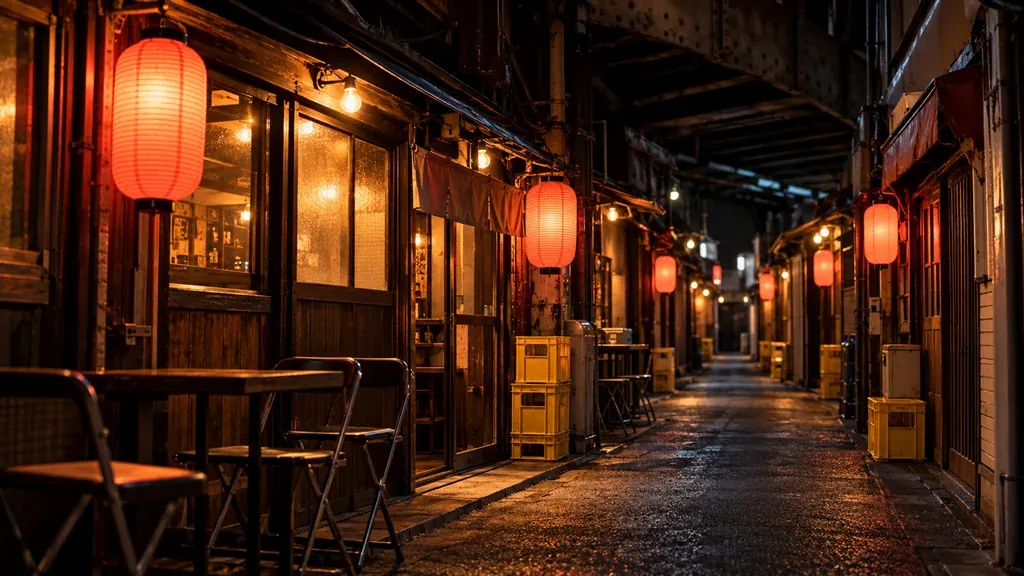
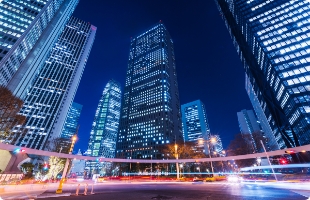
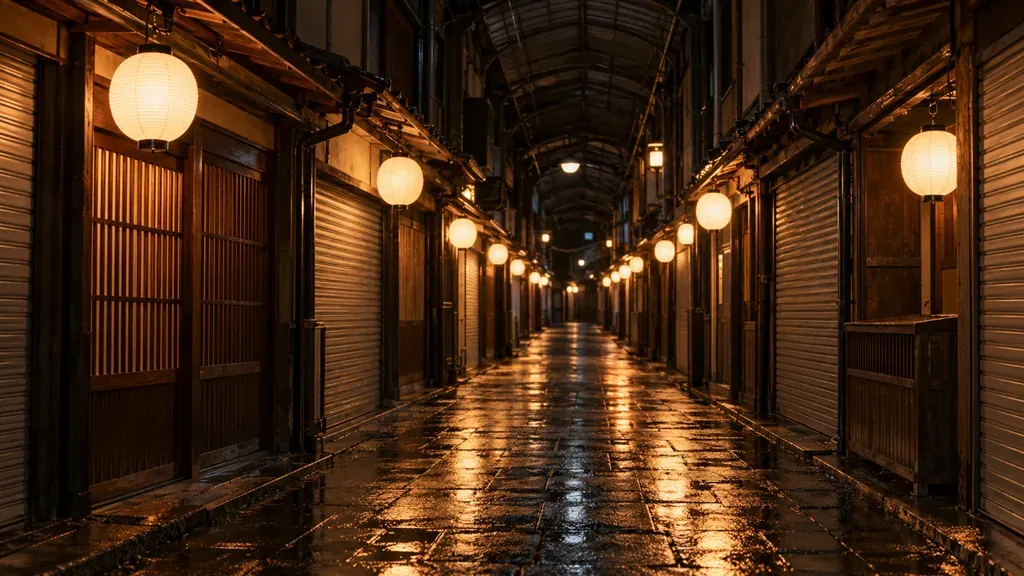
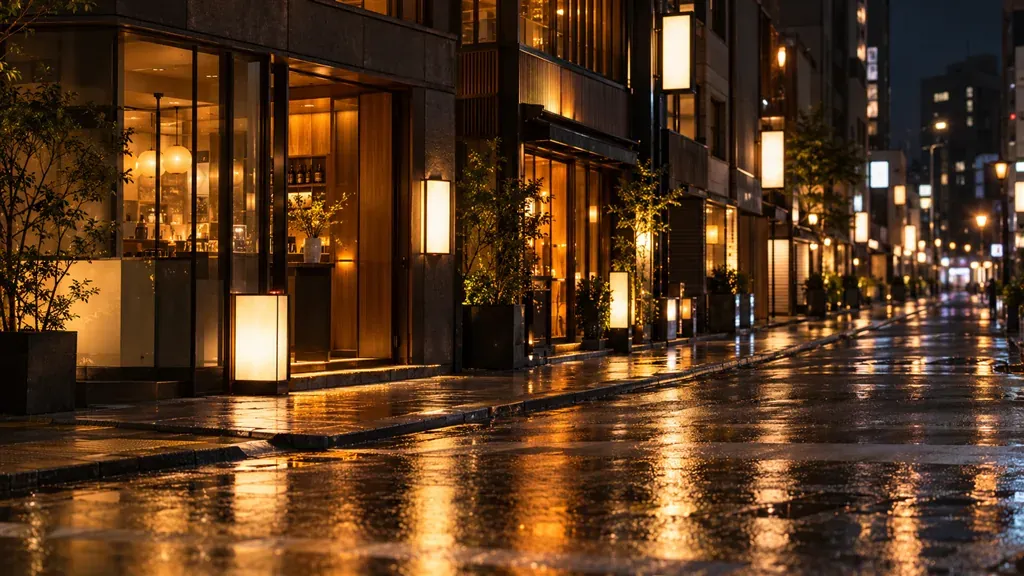
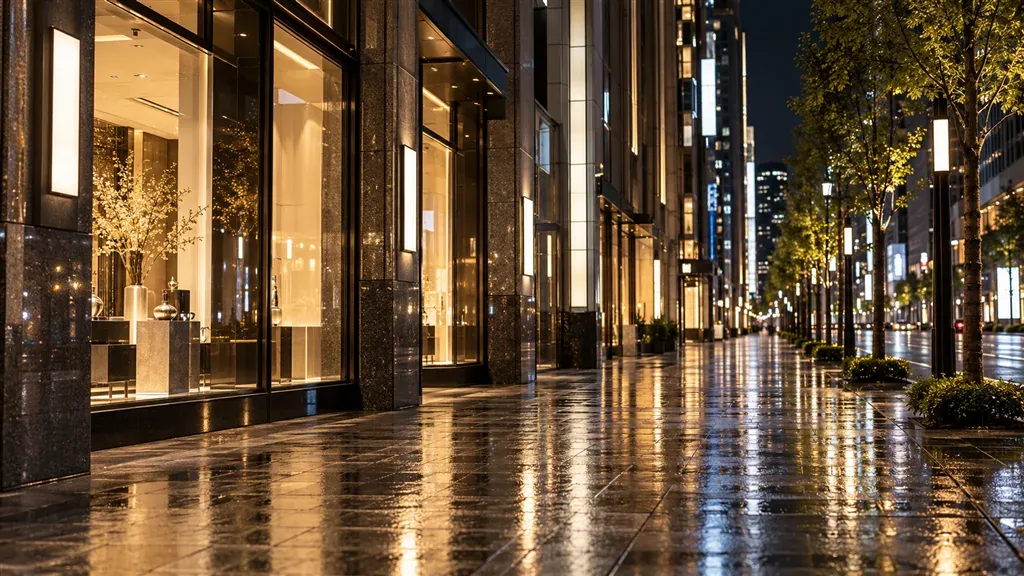



A Night in Roppongi
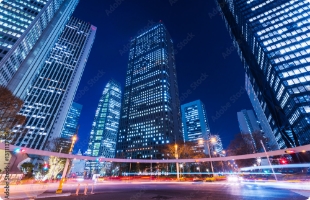
Roppongi is the opposite of Asakusa. There, the shutters come down at 20:00 and the evening has a natural end. Here, nothing closes in time to send you home. Of the venues on this site's Roppongi list, eleven are still serving at 1:00, eight at 3:00, and two are still going at 8:00 and 9:00 the next morning.
That changes what you have to decide. In most of Tokyo the last train decides for you. In Roppongi the last train is a choice you make at around 1:00, and everything before it should be planned with that choice in mind. This page is written in that order.
One rule applies across the whole area before you pick anywhere. Roppongi is in Minato ward, and under the ward's tobacco rule, in force since 1 July 2014, you may not smoke anywhere outdoors in public except at a designated smoking place — roads, parks and open plazas included. Heated tobacco counts, the ward states so explicitly, and the rule applies to visitors as much as residents. No fine is stated; patrol officers give guidance. This is stricter than the Taito and Shibuya rules, which ban smoking while you walk: here, standing still outside with a cigarette is also out. The ward publishes a map of the places where you can.
18:00 — Dinner decides your budget, not your evening
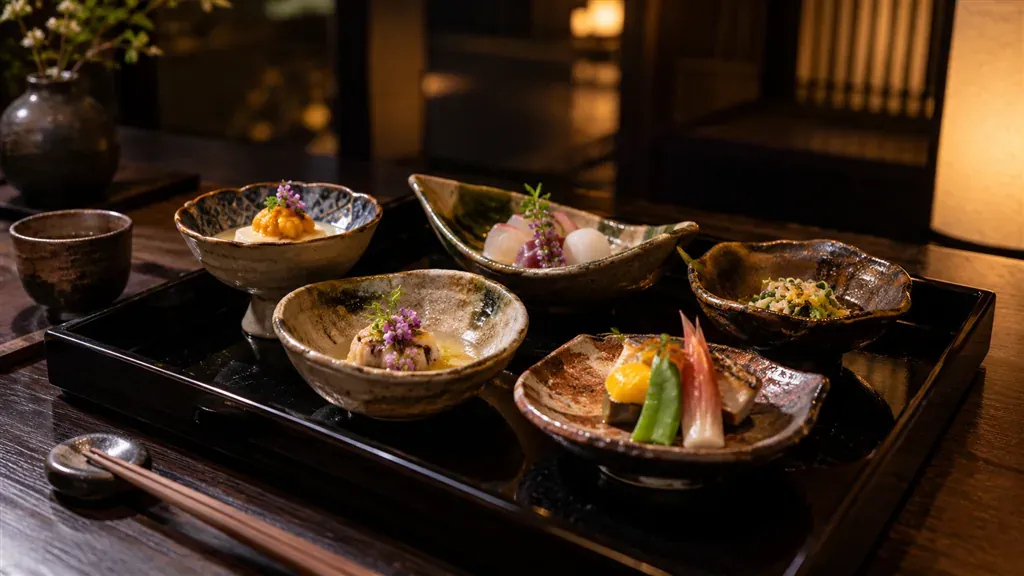
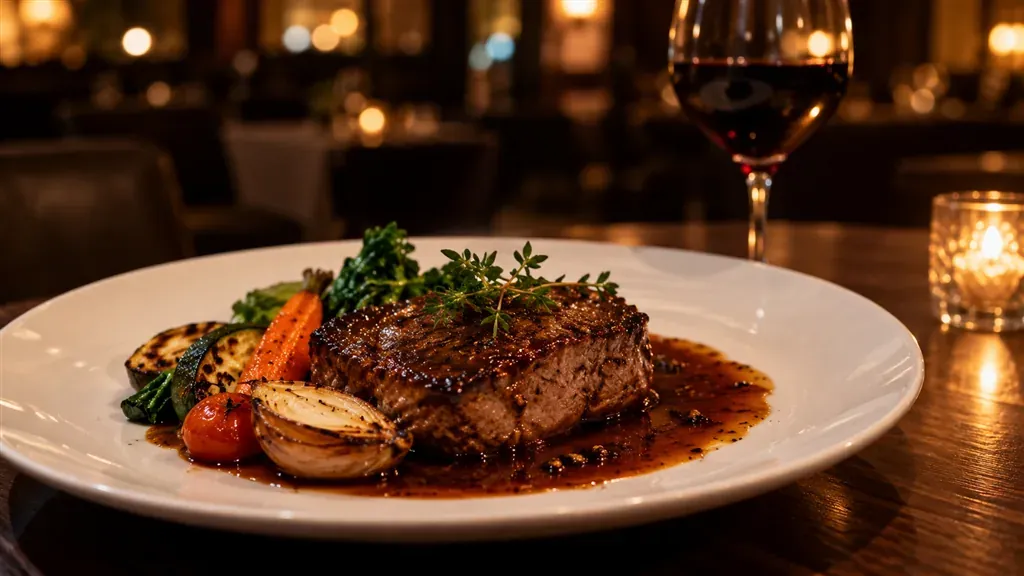
Roppongi has the widest price range of any area in this guide, and the gap is not subtle. The surcharges are the part people miss, so they are listed here with the food.
- Torikizoku Roppongi-Higashi — yakitori where every item on the food menu is ¥410 including tax, on the sixth floor three minutes from Exit 5. Open until 4:00 every day, from 17:00 on weekdays and 16:00 at weekends. The branch page lists no smoking booth indoors and no smoking area outside.
- Kushikatsu Tanaka Roppongi — deep-fried skewers, 40 seats, free Wi-Fi, and pets allowed. A cover charge of ¥319 including tax is added for each guest aged 20 or over, whether or not you drink. This is the one place on the list that closes early, at 23:30.
- Gonpachi Nishi-Azabu — soba ground each morning, charcoal skewers and tempura, 260 seats on the corner of the Nishi-Azabu crossing, ten minutes' walk away. The building was the model for a scene in Kill Bill. After 17:00 each guest must spend at least ¥1,650 including tax, so one drink will not cover it. A vegan menu and a halal course are both published, which is rare at this size.
- Jojoen Roppongi Honten — the branch the yakiniku chain started from, a minute from Exit 4a. Courses are ¥15,000, ¥18,000 and ¥25,000, and a 5 percent service charge is added. Every seat is non-smoking, heated tobacco included.
- Seryna Honten — Kobe beef shabu-shabu or sukiyaki at ¥30,800, open since 1961, with four private rooms for two to six. A 10 percent service charge is added, and a private room costs from ¥16,500 per person on top at dinner. Downstairs in the same building, Mon Cher Ton Ton grills the same beef on an iron plate in front of you, from ¥33,000 for the prime sirloin, also plus 10 percent.
- Chuugoku Hanten — Shanghai cooking three minutes from Exit 2, in courses from ¥5,500 to ¥40,000 with tax included, and a separate set built around Shanghai crab in season. It takes orders until 23:30, every day.
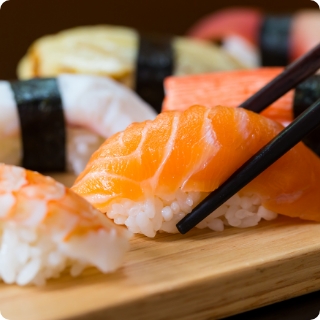
If you are eating before midnight and want the sushi counter rather than a table, Sushi Gonpachi is on the third floor of the Gonpachi building, 100 seats, with the same ¥1,650 minimum spend after 17:00.
21:00 — One drink, and the first fork in the evening
The two bars here do not overlap at all, and which one you pick decides whether the night ends at midnight or at five.
- Hobgoblin Roppongi — a British pub open since the 2002 football World Cup, with fish and chips, homemade pies, five screens carrying live Premier League, rugby, F1 and UFC, and two dart boards that are free to use. It closes at midnight and the kitchen stops at 23:00, and it has an indoor smoking booth, one of the few in this guide. Every Sunday from noon it serves a roast, with horseradish and mint sauce brought in from the UK.
- Geronimo Shot Bar — second floor, right on the Roppongi crossing, next door to Wendy's, open until 5:00 every day. A drum hangs above the bar and anyone buying a round for the room beats it; the biggest buyer of the month gets a name plate on the ceiling. Shots bought in advance through its own site are half price. It has run for about thirty years and its site is written in English first.
22:00 — The clubs, and exactly what they cost
Two clubs in the area publish enough on their own sites to plan around. Several well-known Roppongi names do not have a working site at all, so this guide leaves them out rather than guess at their door prices.
- V2 Tokyo — a minute from the station, open 21:00 to 5:00 seven days a week, and the one club here that prints its whole price list. On weekdays men pay ¥2,000 with one drink ticket or ¥5,000 for the open bar; women enter free, with the open bar at ¥2,000. At weekends men pay ¥4,000 for two drink tickets or ¥10,000 for ten; women still enter free. Cards, transit IC and QR payments are all accepted. A VIP table is a two-hour set that covers entry for up to four men, requires a set number of bottles, and adds 25 percent for tax and service on top — the early-bird package, 21:00 to 1:00, is ¥35,000 on Sunday to Thursday and ¥55,000 on Friday, Saturday and the night before a holiday, with those charges already included.
- The Queen — second floor of the Rokumon Building in Roppongi 6-chome, open 22:00 to 4:30, Tuesday to Sunday and closed on Mondays. Guests must be 20 or over. Admission is set per event and is not published, so check the night you want before you go.
Both ask every guest for photo ID at the door and both enforce a dress code. Carry your passport or residence card; a photo on your phone is not what they mean.
Around 1:00 — the decision
Four lines serve Roppongi — Hibiya, Oedo, Chiyoda at Nogizaka and Namboku at Roppongi-itchome — and the last trains go somewhere around here. Check the time for your own line on the day; it differs between the four and changes on holidays.
If you leave now, the evening was a normal one. If you stay, this is what is still working, in the order it stops.
- Until 2:00 — Sushi Gonpachi, last orders at 1:00.
- Until 3:00 — Cafe La Bohème in Azabu-Juban, one stop away on the Oedo line, serving Italian food until 2:00 and drinks to 3:00 in a 124-seat room. Jojoen takes its last yakiniku order at 3:00 from Monday to Saturday.
- Until 3:30 — Gonpachi, every day of the year, with food until 2:45.
- Until 4:00 — Torikizoku, and Yugentei in Nishi-Azabu, whose weekday last orders are at 4:00.
- Until 4:30 — The Queen.
- Until 5:00 — V2 Tokyo and Geronimo.
After five — the two kitchens that outlast everything
When the clubs turn the lights on, two places are still cooking, and both are a short walk from the crossing.
- TsuruTonTan Roppongi — udon on the seventh floor of Axall Roppongi, a minute from the Oedo line exit, open until 8:00 the next morning with last orders at 7:00. It has a terrace, two private rooms and two VIP rooms, and every seat is designed differently.
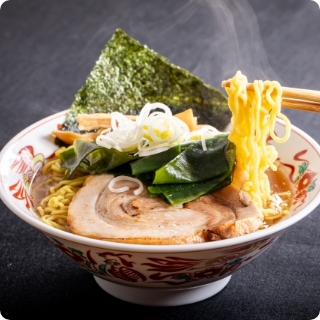
- Mensyo Taketora — ramen and tsukemen until 9:00 the next morning, later than anywhere else in Roppongi. Its idea is that you eat ramen in a private room: nine of them, for two to eight people, plus eight counter seats. Bowls are ¥1,180 to ¥1,280 and the menu is published in English with prices.
Both change on Sunday. TsuruTonTan closes at 23:00 on Sundays and public holidays, and Taketora stops at 5:00 rather than 9:00. If Monday is a public holiday the pair swap over, so the Sunday runs to 9:00 and the Monday to 5:00 instead. A Sunday night in Roppongi is a shorter night than the rest of the week, and Jojoen's last orders move to 22:00 as well.
From either of them the first trains are close. If you have made it this far, the evening has cost you a night's sleep rather than a taxi.
If you would rather not stay out
Roppongi works perfectly well as a normal evening. Dinner at 18:00, a drink at Hobgoblin until it closes at midnight, and the last train — you will have seen the area without committing to it. The high-end restaurants suit that shape better anyway: Seryna finishes at 23:00 on weekdays and 22:30 at weekends, and Mon Cher Ton Ton does not open for lunch on a weekday at all.
For a night that ends when the trains do, see Asakusa. For the same late hours with a different crowd, see Shibuya or Shinjuku, and for a quieter start, Day 1 in Ueno.
Every area in this guide
Ueno · Asakusa · Shibuya · Shinjuku · Roppongi · Ginza · Tsukiji · Tsukishima